Bathroom renovations · Oakleigh & south-east Melbourne
Bathroom waterproofing in Oakleigh, built in layers you never see again
Waterproofing is the one part of a bathroom that disappears the day the tiler arrives. Once the tiles are down, the membrane, the corner flashings and the seal around every pipe are hidden for as long as the room stands. We treat it as its own stage, prepared and applied to the relevant Australian Standard, for bathrooms, ensuites and laundries across Oakleigh and the neighbouring suburbs.
Schedule 07 — the build-up, in order
01Substrate preparation
02Membrane system
03Junctions and corners
04Pipes, wastes and penetrations
05Hob-less and step-down showers
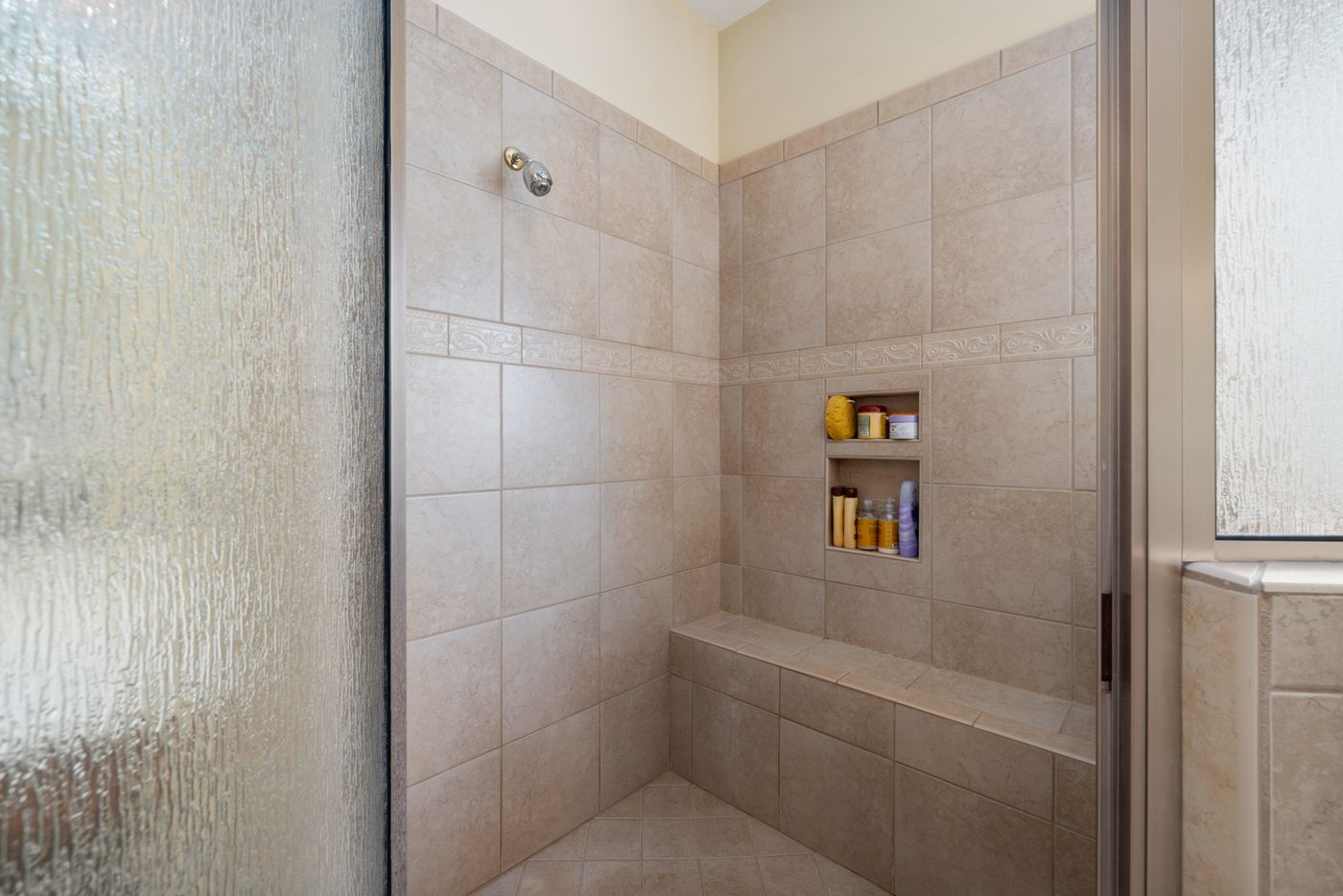
Plate 07 — Reference plate: tiled shower with niche and bench
Why the membrane goes on before any tile is chosen
Tiles and grout are not waterproof. Water gets through grout lines, down behind the tiles and onto whatever is underneath. The membrane is what stops it reaching the timber floor, the wall frame or the room next door. When a shower leaks, the tile is rarely the cause. The problem is usually an unsealed corner, a membrane applied too thin or a floor waste that was never properly sealed.
That is why the design and the waterproofing are planned together. Wall and floor tile formats, the drain position and whether the shower has a hob all change how the membrane has to be detailed. Settling those choices early means the waterproofing is done for the bathroom you are actually getting.
Layer 01 — substrate
Preparing the surface
A membrane only works if it bonds to a sound surface. Floors are checked for movement and screeded to fall towards the waste. Walls are lined with sheeting suited to wet areas, and every surface is cleaned and primed.
Layer 02 — membrane
Choosing a membrane system
Liquid-applied membranes go on in coats to a specified thickness. Sheet membranes arrive at a set thickness. The choice depends on the substrate, the shower design and the tile adhesive, and every product in the system is chosen to work with the others.
Layers 03–04 — details
Junctions and penetrations
Buildings move, and wall-to-floor joints, internal corners and niche edges move the most. We reinforce them with bond breakers and flexible sealant. Tap bodies, shower arms and floor wastes each get a proper seal before the membrane goes over them.
Layer 05 — the shower threshold
Hob-less and step-down showers
Taking out the hob gives you a flush, step-free shower, but it also removes the lip that used to hold water in. Without it, the floor has to do that work. That means accurate falls, a correctly placed linear or centre drain, and a membrane that runs well beyond the shower screen. In some homes the shower floor is recessed into the structure to form a step-down, and that needs to be planned before strip-out.
If you are weighing up a flush entry, see our walk-in showers service and the Bathroom Waterproofing Explained guide.
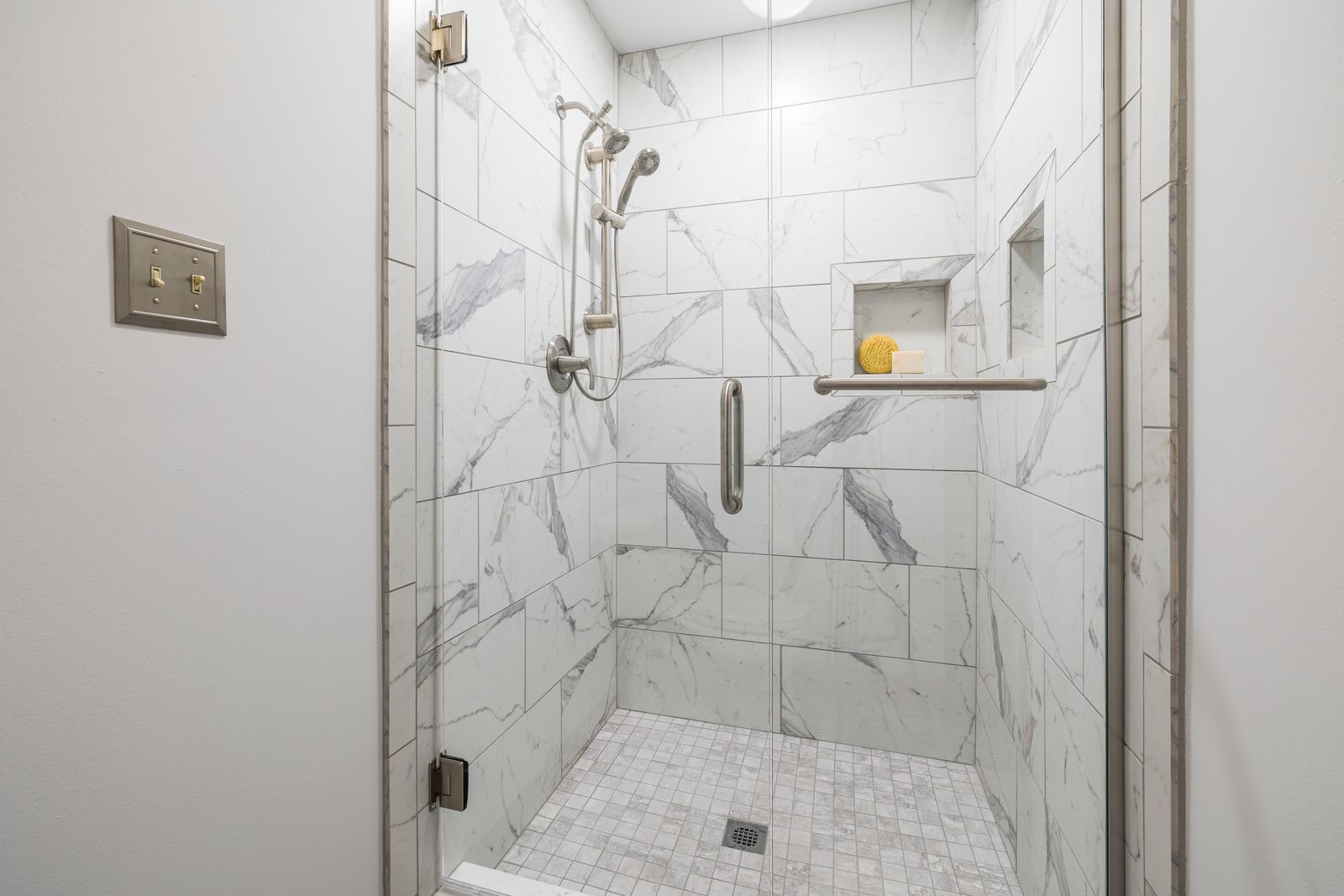
Plate 07b — Reference plate: step-free shower, small tiled floor
How the waterproofing stage runs
This stage fits into our wider renovation process, after strip-out and before tiling.
01Inspect after strip-out. Check the exposed floor and frame for water damage and movement.
02Prepare and set falls. Line the walls, screed the floor to the drain and prime every surface.
03Detail the weak points. Seal the corners, joints, pipe penetrations and floor wastes first.
04Apply the membrane. Build it up to the required thickness and height across the wet area.
05Cure, check, then tile. Let the membrane cure fully and check it before tiling begins.
Bathroom waterproofing projects
When a bathroom waterproofing project is published, its case study will record the suburb, the brief, before and after photographs, the materials used and the final result. See how case studies are set out on Projects.
Waterproofing questions
Can you waterproof over existing tiles?
A membrane needs to bond to a prepared surface, so a proper job usually means removing the old tiles. Surface sealers can help with porous grout, but they do not replace a membrane.
My shower is leaking. Does the whole room need redoing?
Not always. Some leaks come from failed grout or sealant, while others come from the membrane itself. Our leaking shower repairs service starts by finding the cause, then recommends the right fix.
Does the laundry need waterproofing too?
Laundries are wet areas, and the floor and the walls behind the tub need attention. We cover this in every laundry renovation.
More answers are on the bathroom renovation FAQ. Waterproofing case studies are not published yet; when one is, it will appear on Projects.
Related schedules
Planning a bathroom in Oakleigh, Hughesdale, Carnegie, Clayton or nearby? Tell us about the room and we will talk through the waterproofing with you.
Or send a question through the contact page.